
Ferris wheels have long been regarded as iconic landmarks of amusement parks, city fairs, and observation zones. Unlike fast-paced thrill rides that focus on adrenaline, a Ferris wheel (колесо обозрения) delivers panoramic views, gentle motion, and universal appeal. However, purchasing a Ferris wheel is a major capital decision that requires careful planning, technical understanding, and long-term operational thinking.
Before making an investment, park owners must evaluate not only price and size, but also safety standards, visitor demographics, site conditions, and how the ride fits into the overall attraction mix.
Understanding the Role of a Ferris Wheel in a Modern Park
A Ferris wheel serves a very different purpose compared to high-energy attractions. While rides such as a swing tower ride (аттракцион седьмое небо) or a pendulum ride are designed to deliver intense motion and excitement, a Ferris wheel functions as a visual centerpiece and a family-friendly experience.
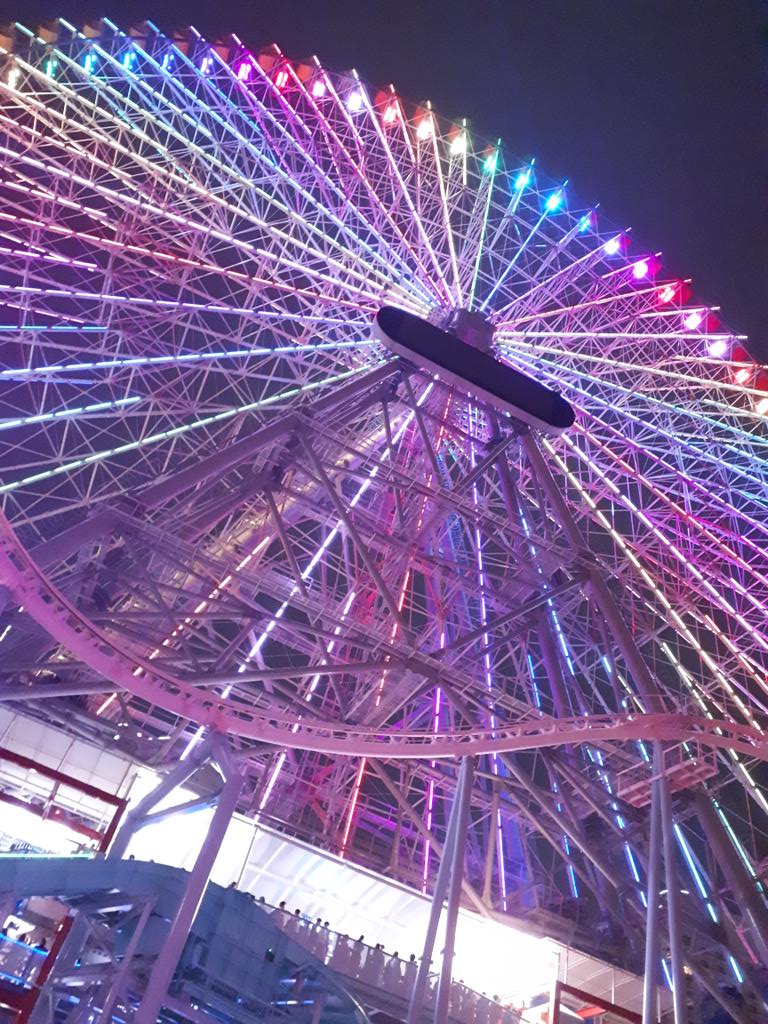
Its slow rotation, elevated viewing angle, and relaxed atmosphere make it attractive to couples, families, elderly visitors, and tourists who may not participate in thrill rides. In many parks, the Ferris wheel becomes a symbolic structure that enhances brand recognition and skyline visibility.
When planning a ride lineup, operators should consider the Ferris wheel as a balancing attraction that complements extreme thrill rides rather than competing with them.
Site Planning and Space Requirements
Available Land and Height Restrictions
One of the first considerations before purchasing a Ferris wheel is land availability. Even compact models require a stable foundation, clear rotation space, and surrounding safety zones. Large observation wheels may also be subject to local height restrictions, aviation regulations, or city planning approvals.
It is essential to assess whether the park can accommodate the selected wheel height without interfering with nearby attractions or infrastructure. In contrast to thrill rides such as pendulum ride (аттракцион маятник) systems, Ferris wheels prioritize vertical presence over dynamic motion, making zoning approvals especially important.
Ground Conditions and Foundation Design
Ferris wheels exert continuous static and dynamic loads. Soil strength, drainage conditions, and seismic factors must be evaluated during site preparation. Professional manufacturers typically provide foundation drawings, but local engineering approval is still required.
Ignoring ground conditions can lead to long-term structural issues and increased maintenance costs.
Passenger Capacity and Cabin Configuration
Matching Capacity to Visitor Flow
Ferris wheels are available in various passenger capacities, ranging from small models with 12–16 cabins to large installations carrying hundreds of passengers per cycle. Selecting the right capacity depends on expected visitor flow, peak season demand, and ticketing strategy.
For parks that already feature multiple thrill rides (экстремальные аттракционы), a medium-capacity Ferris wheel may be sufficient to manage queues without overspending on oversized equipment.
Cabin Types and Comfort Options
Modern Ferris wheels offer different cabin designs, including open gondolas, enclosed cabins, air-conditioned pods, and VIP glass-bottom cabins. Comfort features significantly affect guest experience and ticket pricing potential.
Unlike thrill rides that rely on speed and force, Ferris wheels rely on comfort, visibility, and atmosphere to create value.
Safety Standards and Compliance
International and Regional Certifications
Safety is a non-negotiable factor. Before purchasing, buyers must ensure the Ferris wheel complies with relevant international standards such as EN, ASTM, or local regulatory requirements. Reputable manufacturers provide full documentation, load calculations, and testing reports.
Compared to thrill rides, Ferris wheels often have simpler motion systems, but their size and passenger height increase the importance of redundancy and braking reliability.
Emergency Systems and Backup Power
Modern Ferris wheels should be equipped with emergency evacuation systems, manual rotation options, and backup power units. These systems ensure passenger safety during power failures or mechanical interruptions.
Such features are particularly important in regions with unstable electricity supply.
Manufacturer Selection and Long-Term Support
Experience and Project References
Choosing the right manufacturer is as important as choosing the ride itself. Buyers should review past projects, operational case studies, and international export experience. A professional supplier can advise on design optimization, site layout, and local compliance issues.
While thrill rides such as swing tower ride models require frequent dynamic testing, Ferris wheels demand long-term structural reliability, making manufacturer experience critical.
Installation, Training, and After-Sales Service
Reliable suppliers offer installation guidance, staff training, and ongoing maintenance support. These services reduce downtime and help park operators maintain safety compliance throughout the ride’s lifespan.
After-sales service should include spare parts availability, remote technical support, and periodic inspections.
Cost Structure and Investment Planning
Initial Purchase vs. Lifecycle Cost
The upfront price of a Ferris wheel varies significantly depending on size, materials, and customization. However, investors should also consider long-term costs such as maintenance, staffing, energy consumption, and inspections.
Compared to thrill rides, Ferris wheels often have lower operational stress and predictable maintenance schedules, making them attractive for stable revenue generation.
Revenue Potential and Return on Investment
Ferris wheels can generate consistent income through individual ticket sales, bundled passes, private cabin rentals, and sponsorship branding. Their visual prominence also enhances park marketing and social media exposure.
When combined with high-adrenaline thrill rides, a Ferris wheel helps broaden the customer base and increase overall dwell time in the park.
Integrating Ferris Wheels with Other Attractions
A well-planned amusement park offers a diverse ride portfolio. Ferris wheels pair exceptionally well with thrill rides such as pendulum ride systems and swing tower ride attractions. While thrill rides drive excitement and repeat visits from younger audiences, Ferris wheels appeal to families and tourists seeking relaxation and scenic enjoyment.
This balanced mix allows operators to cater to multiple demographics and reduce reliance on a single attraction type.
Final Considerations Before Purchase
Before finalizing a Ferris wheel investment, park owners should conduct feasibility studies, consult experienced manufacturers, and evaluate how the ride aligns with long-term park strategy. A Ferris wheel is not just a ride—it is an architectural feature, a marketing asset, and a stable revenue generator.
When selected and installed correctly, it complements thrill rides, enhances visitor satisfaction, and strengthens the overall identity of the amusement park.